From fault physics
to seismic hazard.
My current research investigates how the physical properties of active faults control earthquake behavior and how long-term fault dynamics can be incorporated into seismic-hazard assessment.
Linking earthquake physics
to seismic hazard
From simulated earthquake cycles to time-dependent hazard
Physics-based earthquake-cycle simulations generate thousands of years of physically consistent earthquake sequences, providing information about rupture extent, recurrence, segmentation, and interactions between successive earthquakes.
I am developing approaches that use simulated earthquake populations directly in seismic-hazard analysis, connecting long-term fault dynamics and earthquake history to the likelihood of future rupture scenarios.
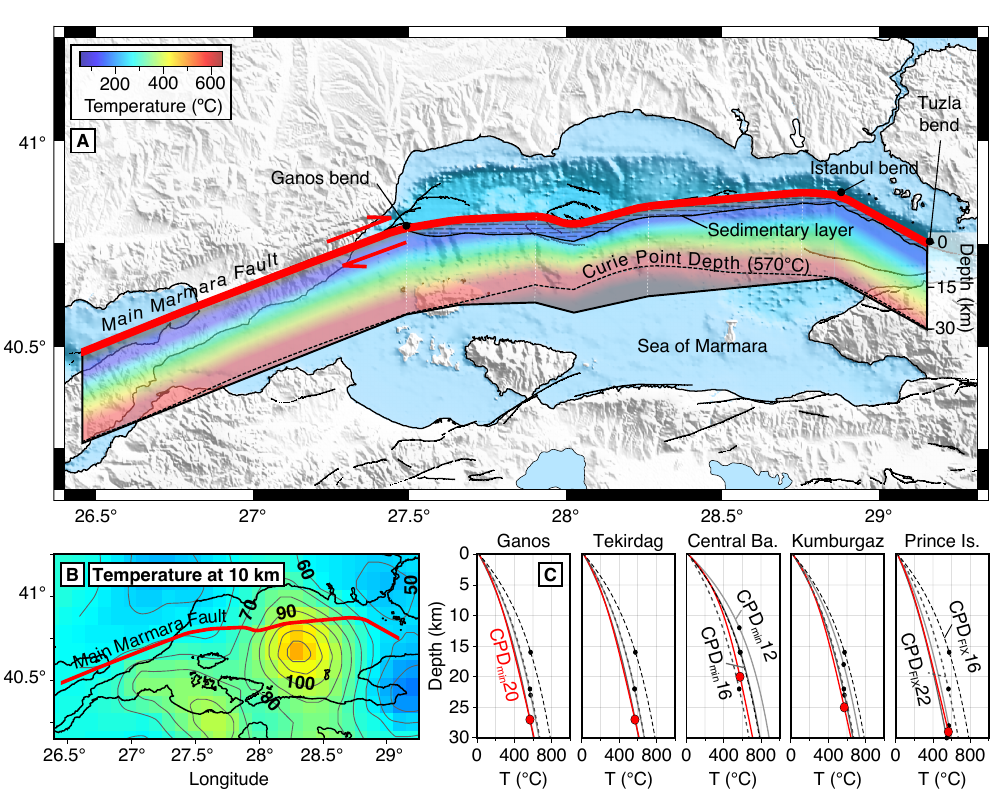
- Physics-based fault model
- Earthquake-cycle simulation
- Long-term simulated earthquake catalog
- Condition on earthquake history
- Time-dependent seismic hazard
How does long-term fault behavior shape seismic hazard?
How can earthquake history modify the likelihood of future simulated ruptures?
How can physically generated earthquake catalogs inform seismic-hazard assessment?
Frictional properties of the
East Anatolian Fault
From natural fault rocks to fault-scale earthquake behavior
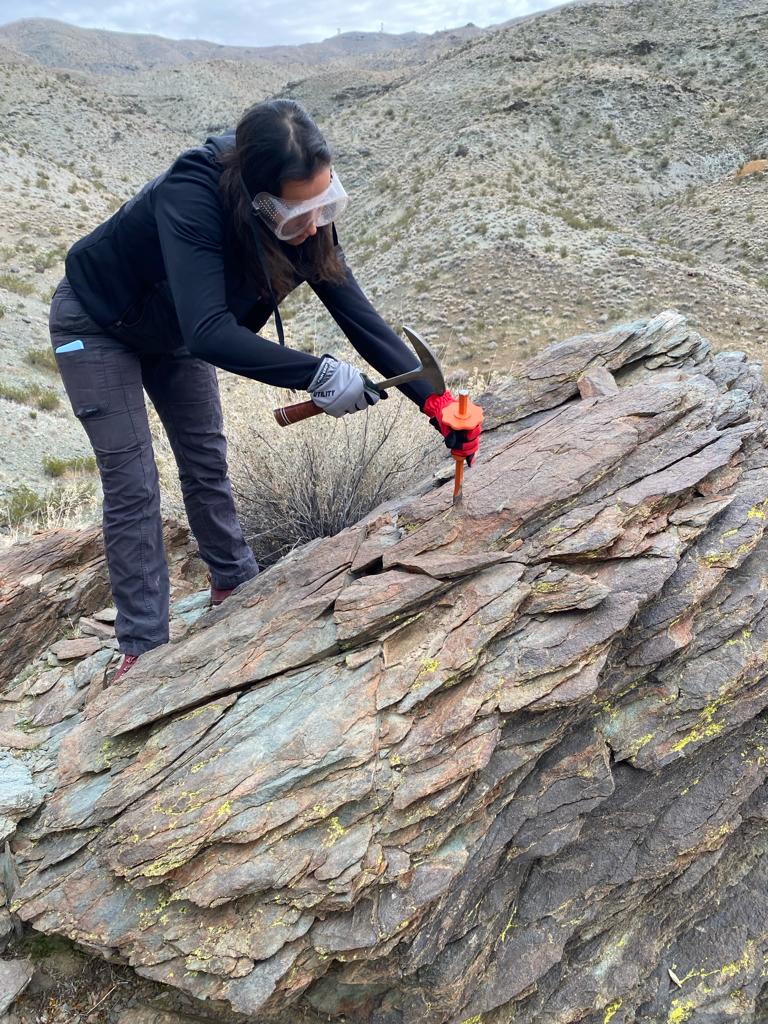
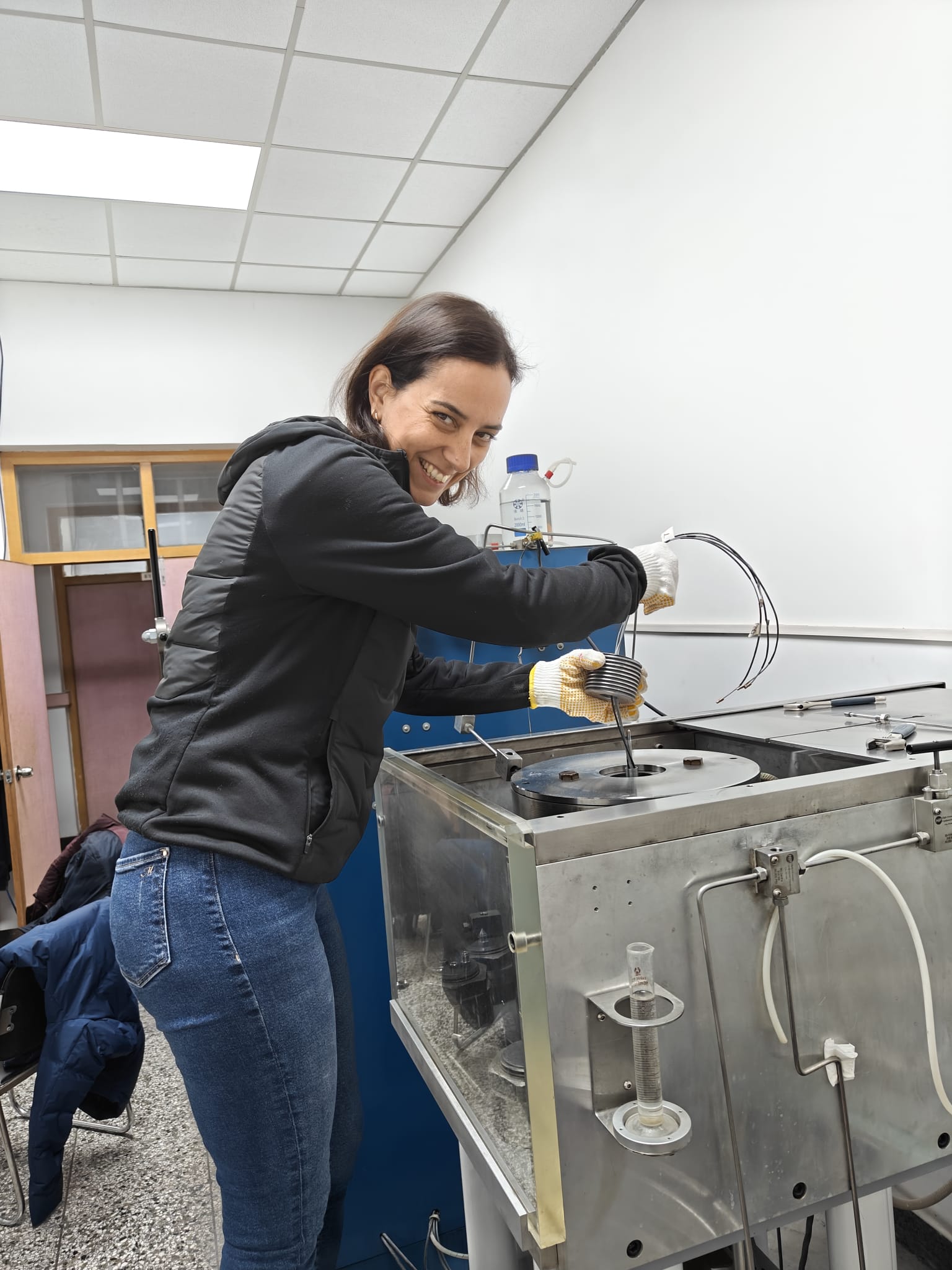
The East Anatolian Fault contains diverse fault-zone rocks along a major active plate boundary. I investigate their frictional behavior under controlled laboratory conditions designed to reproduce pressure, temperature, stress, and fluid conditions relevant to natural faults.
High-pressure, high-temperature hydrothermal friction experiments provide constraints on the transition between stable sliding, creep, and frictional instability and help connect laboratory-measured frictional behavior with variations observed along natural fault systems.
How do natural fault rocks behave under seismogenic conditions?
How does frictional stability evolve with pressure, temperature, and fluid conditions?
Can laboratory-measured friction help explain spatial variations in creep and earthquake behavior?
PROJECT 02 Fault rocks → Friction → Fault behavior
PROJECT 01 Earthquake physics → Earthquake cycles → Seismic hazard
One connected research question
How do the physical properties of active faults ultimately shape earthquake behavior and seismic hazard?