01 / 04→
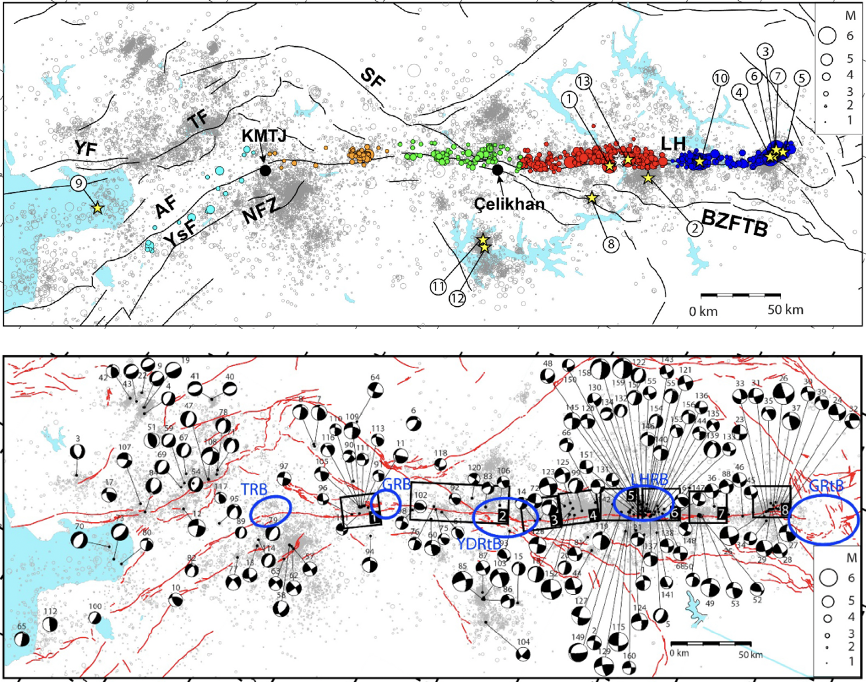
OBSERVE
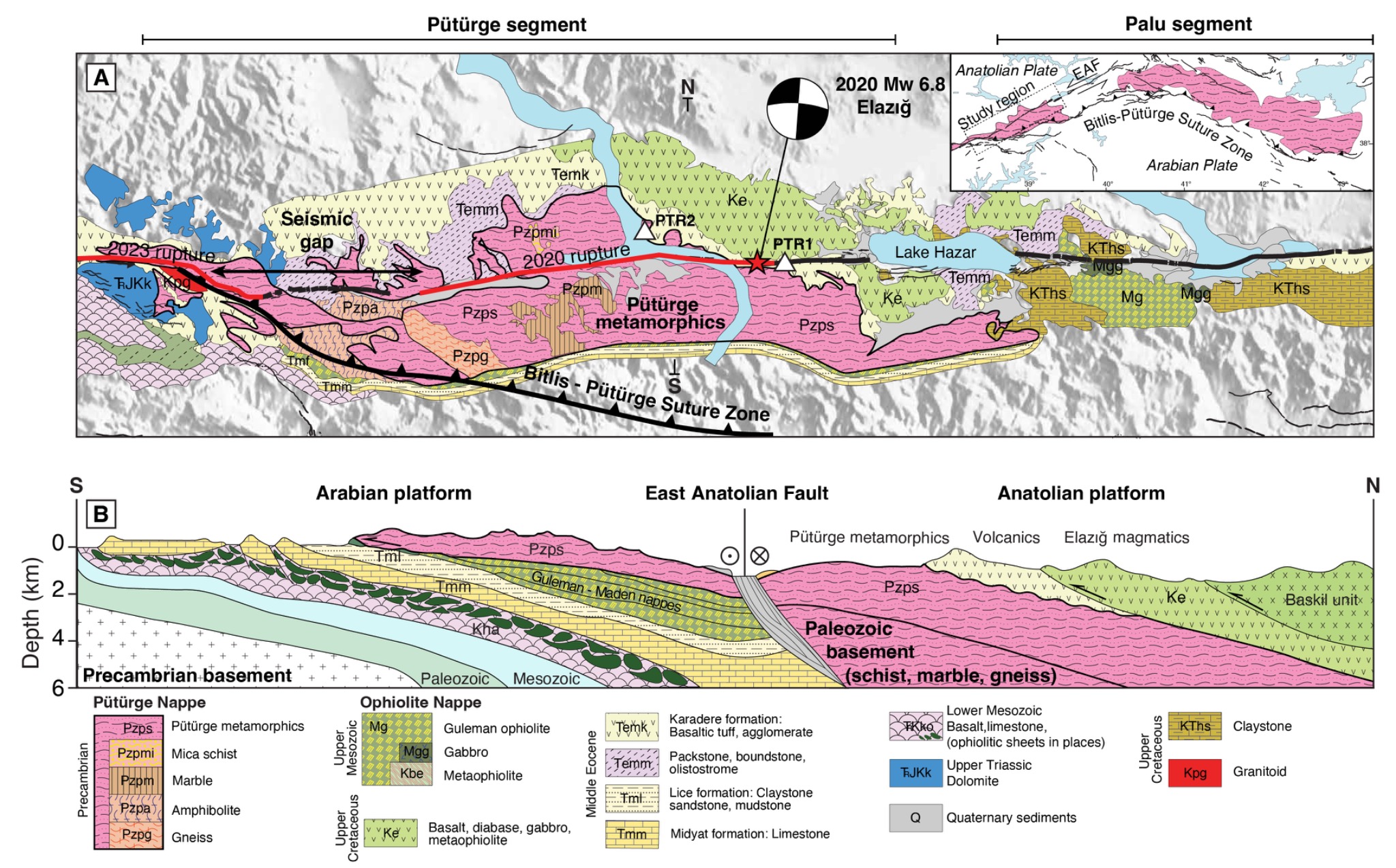
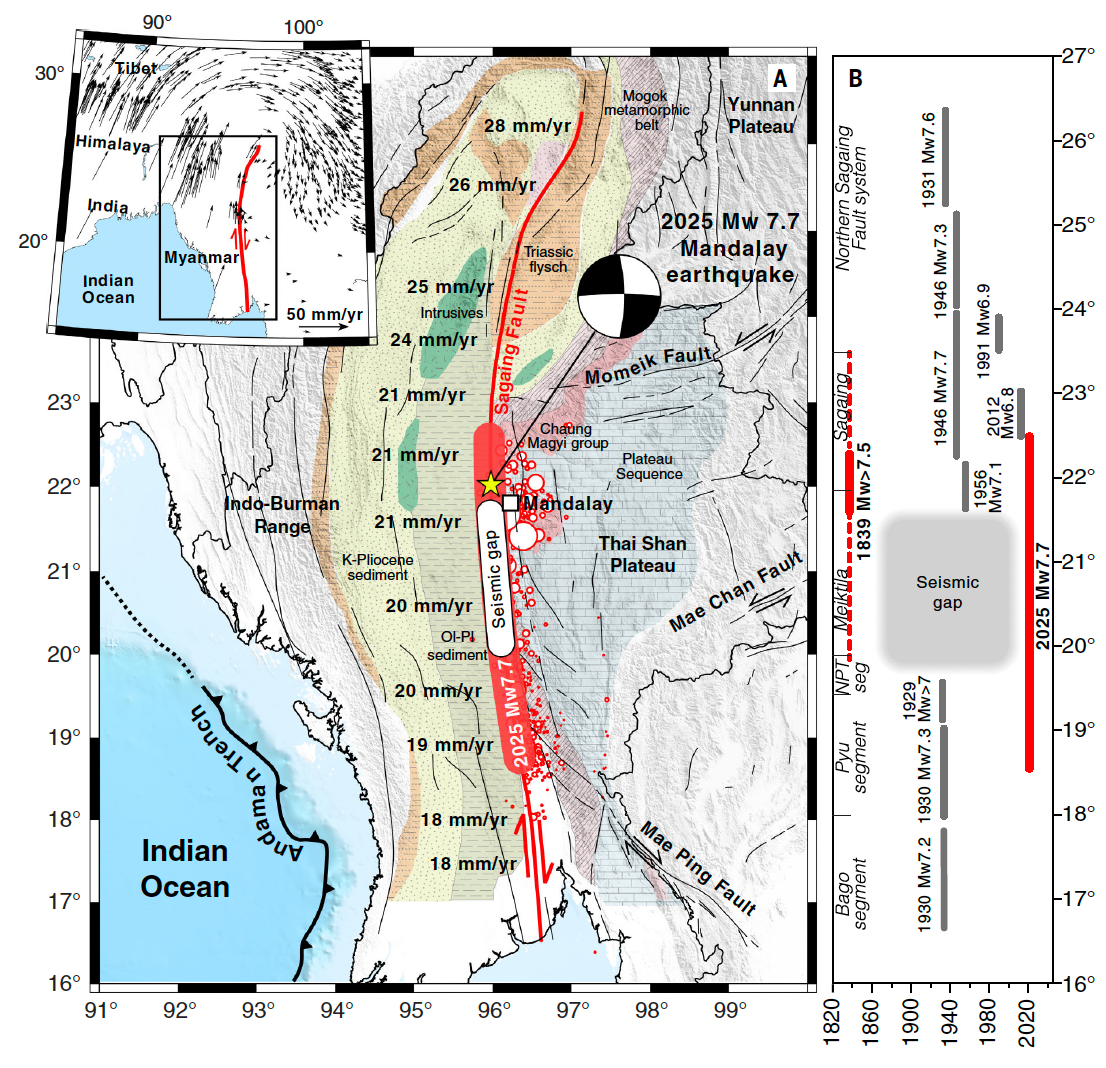
Seismology & Seismotectonics
How do active faults accumulate strain, interact, and rupture?
- Fault structure — seismicity, mechanisms & crustal imaging
- Fault behavior — deformation, coupling & aseismic creep
- Rupture dynamics — segmentation, aftershocks & earthquake sequences
02 / 04→
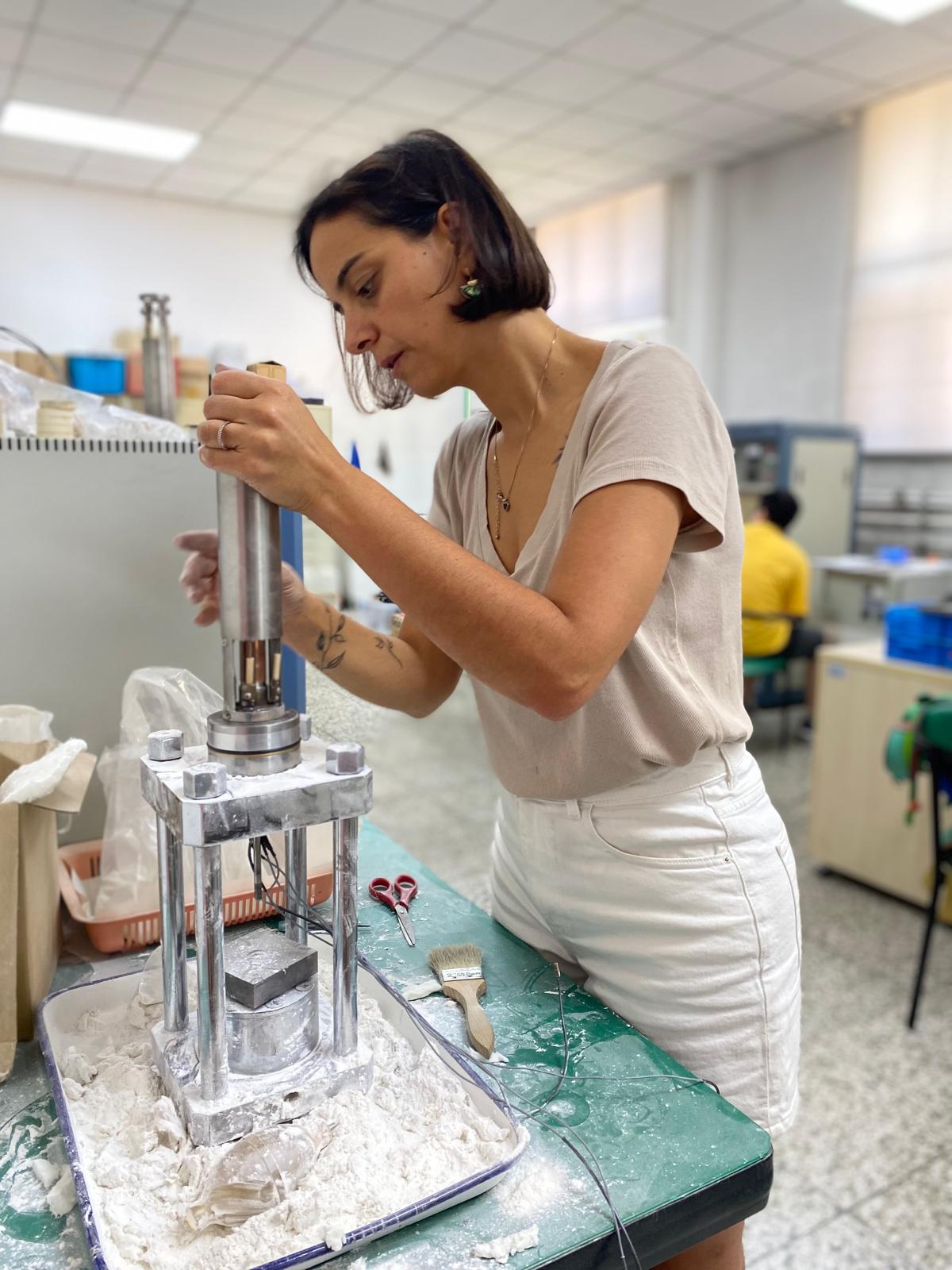
EXPERIMENT
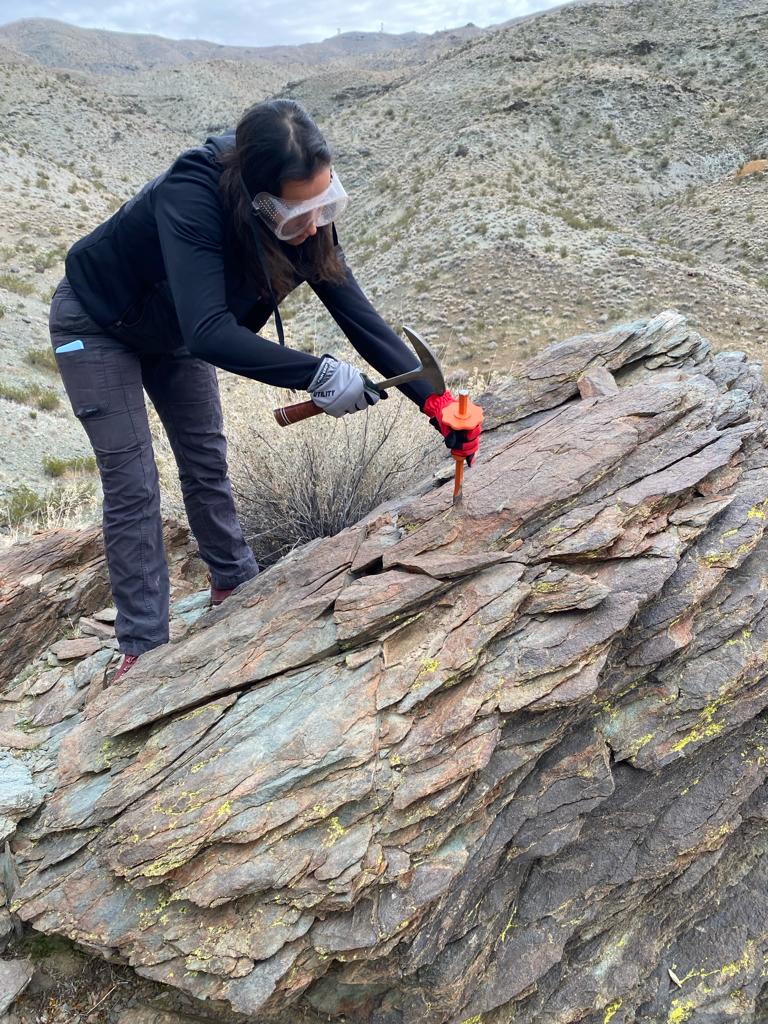
Rock Mechanics & Fault Properties
How do fault rocks transition between stable sliding and frictional instability?
- Reproduce fault conditions — high-temperature, high-pressure hydrothermal triaxial experiments
- Measure frictional response — velocity-step tests under controlled stress, temperature, pore pressure, and slip rate
- Model frictional behavior across scales — connect laboratory-scale frictional processes to natural fault behavior
03 / 04→
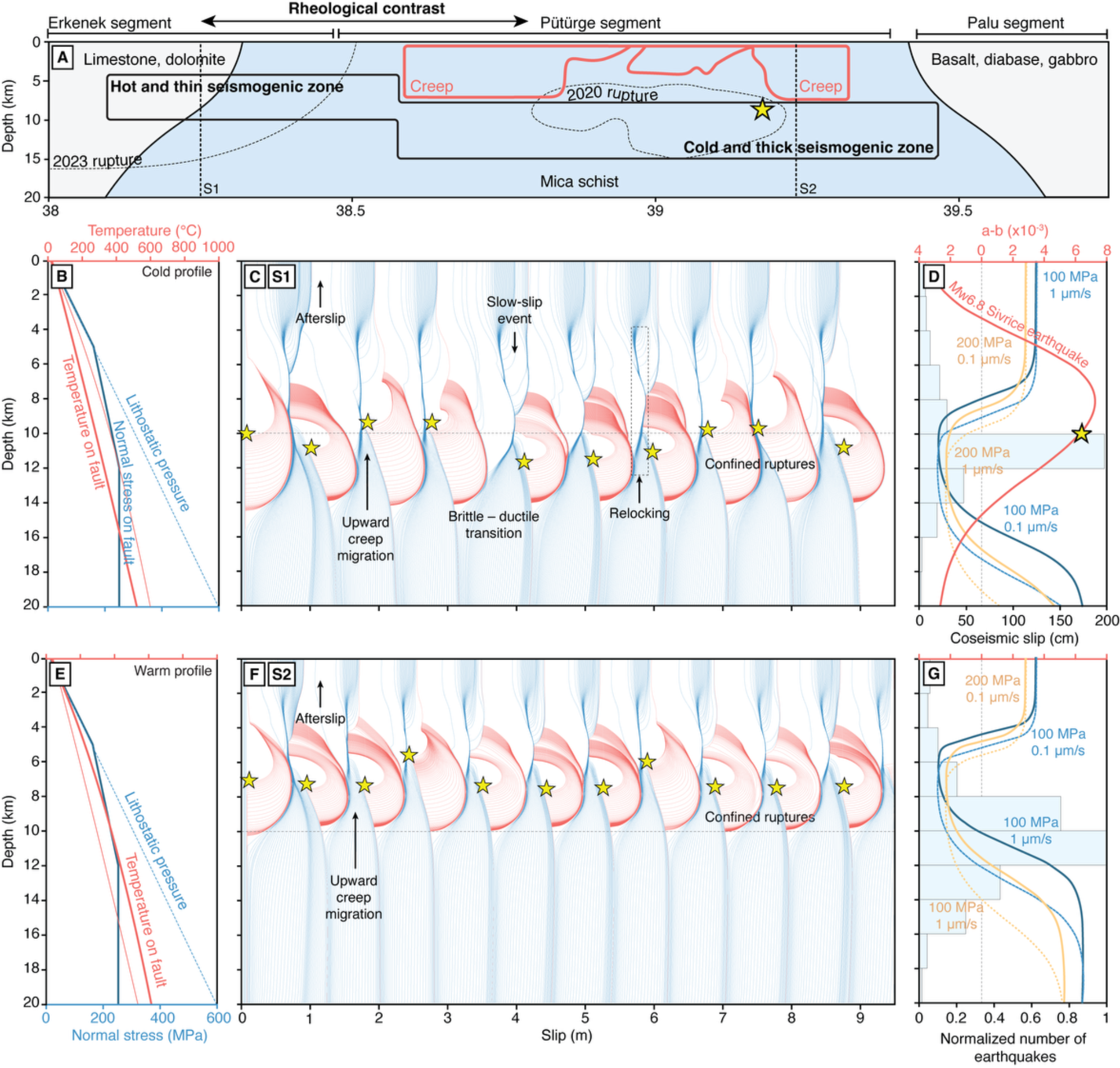
SIMULATE
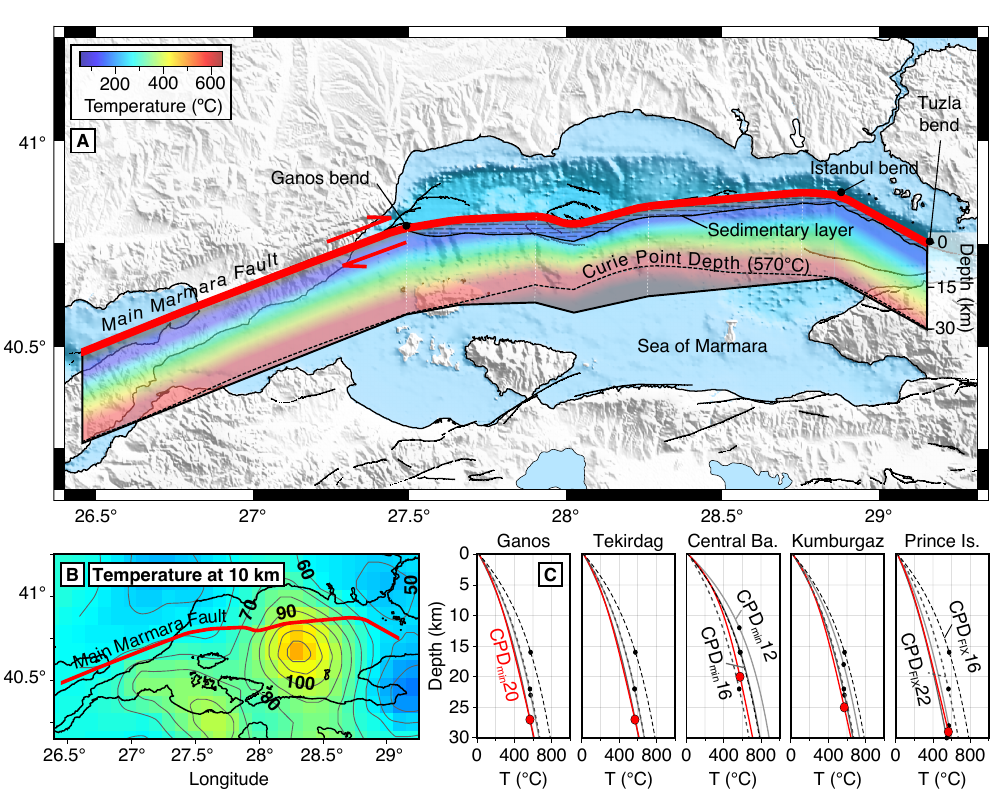
Physics-Based Earthquake-Cycle Modeling
How do fault properties shape earthquake behavior over multiple seismic cycles?
- Build physics-based rheology models — integrate fault geometry, frictional properties, thermal structure, and tectonic loading
- Simulate earthquake cycles over thousands of years — resolve a full range of slip distributions
- Identify controls on rupture behavior — quantify how fault heterogeneity governs segmentation, recurrence, rupture extent, and aseismic creep
04 / 04→
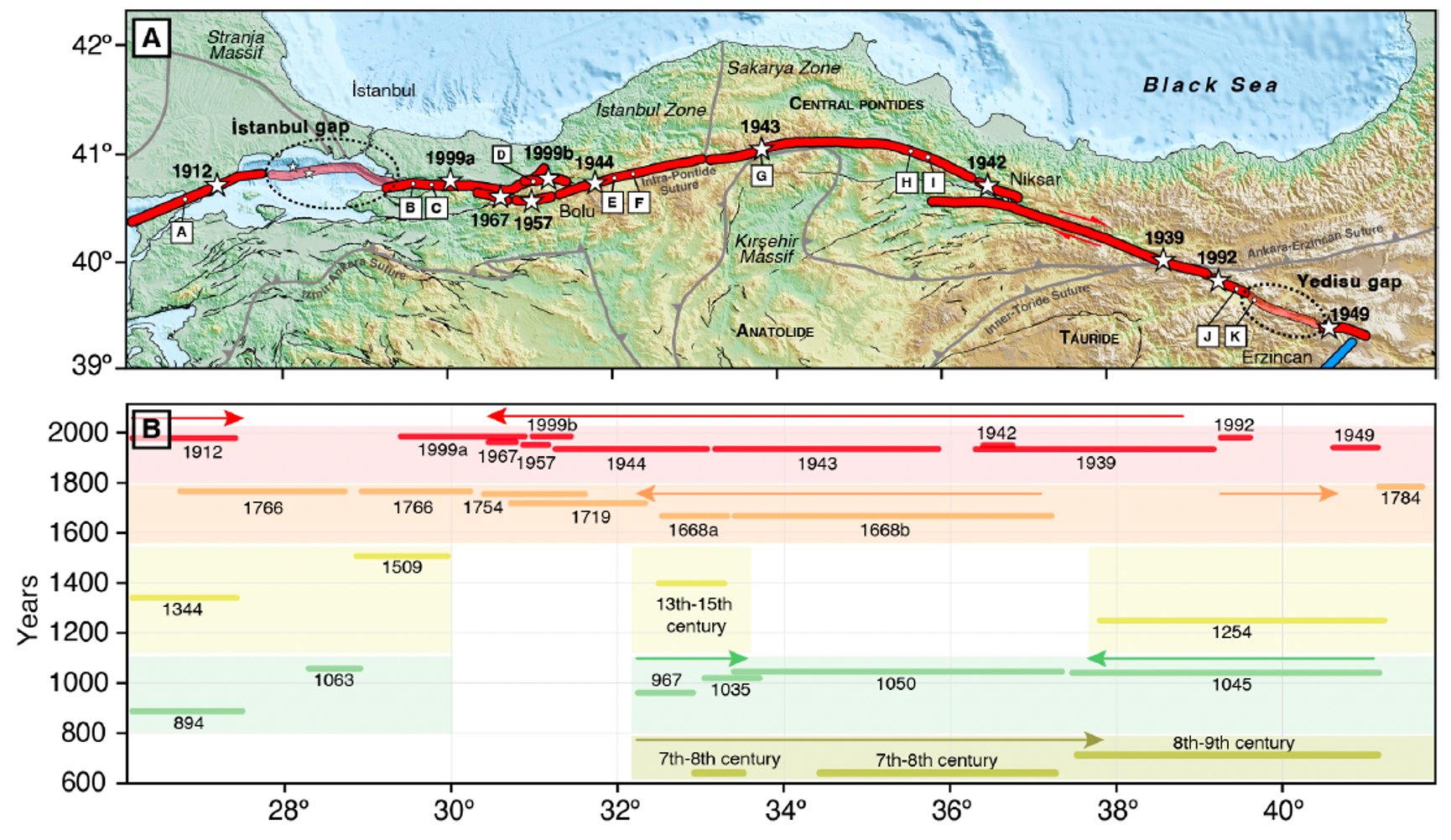
FORECAST
Physics-Based Seismic Hazard
How can long-term fault behavior inform future seismic hazard?
- Build rupture populations
- Condition future earthquake likelihood
- Translate fault dynamics into seismic hazard